
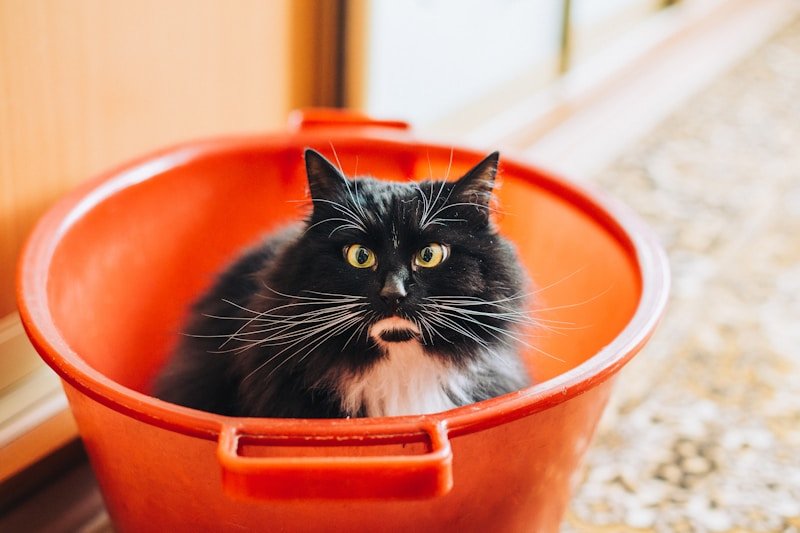
Cats have long been one of the most beloved and fascinating companions in human history. From their mysterious beginnings in ancient civilizations to their place as modern-day pets, these independent and graceful creatures have earned their place in human culture. The history of cats spans thousands of years, and their role in societies has evolved drastically, from revered deities to everyday household companions. Let’s explore the journey of cats through time.
The Ancient Egyptian Connection
The bond between humans and cats can be traced back to ancient Egypt, where the first domesticated cats appeared around 4,000 years ago. The Egyptians held cats in high regard, associating them with the goddess Bastets, the deity of home, fertility, and protection. Bastet was often depicted as a lioness or as a woman with the head of a lioness or domestic cat. Cats were not only sacred to the Egyptians but were also seen as protectors of grain stores from vermin, playing an essential role in agriculture.
The reverence for cats extended to the point where they were often mummified and buried alongside their owners, indicating their spiritual significance. Killing a cat, even accidentally, was considered a grave offense, and it was punishable by death. The Egyptian love for cats spread throughout the Mediterranean, influencing other cultures and fostering the idea that cats were both sacred and beneficial creatures.
Cats in Ancient Greece and Rome
As Egypt’s influence spread across the ancient world, so did the presence of cats. Ancient Greece and Rome both adopted the idea of cats as valuable protectors of food supplies, especially in preventing rodents from damaging grain stores. The Greeks, however, didn’t have the same divine association with cats as the Egyptians did, but they did appreciate them for their hunting skills and graceful nature.
In Rome, cats were considered useful animals, but their status was much more pragmatic. They were not revered in the same way as in Egypt. However, cats did play a role in Roman society as keepers of homes and farms, as they helped control pests. Roman literature from this period references cats, highlighting their role in both practical and domestic settings.
The Middle Ages and the Decline of Cats
Despite their longstanding importance in earlier cultures, cats faced a decline in their status during the Middle Ages, especially in Europe. During this time, the rise of Christianity saw cats associated with witches and pagan rituals, often depicted as symbols of evil or bad omens. The black cat, in particular, became a notorious symbol of witchcraft, leading to their persecution during the witch hunts.
In addition, the Church’s teachings often led to the mistreatment of cats, with their presence being linked to superstition and fear. This resulted in a decrease in their numbers, especially during the 14th century when the Black Plague ravaged Europe. Ironically, the absence of cats, which had once kept rat populations in check, may have contributed to the spread of the plague, as rats carried the fleas responsible for the disease. By the time this association with witches and evil began to fade, cats had already been marginalized.
Cats in Modern Times: Companions and Cultural Icons
Fast forward to the modern day, and cats have made a dramatic comeback, reclaiming their role as beloved household pets. In the 19th and 20th centuries, with the rise of animal rights movements and the increasing value of companionship, cats became cherished members of families worldwide. Today, it is estimated that there are over 90 million pet cats in the United States alone.
The global spread of cats has led to various cultural symbols and representations of felines. From Internet-famous cats like Grumpy Cat and Nyan Cat to the role of cats in literature and films (think “The Cat in the Hat” or “Cats” the musical), cats have embedded themselves deeply in popular culture. Their quirky personalities, playful behavior, and mysterious charm continue to captivate millions.
In addition to their popularity as pets, cats have also become symbols of independence, grace, and mystery. They are often seen as the epitome of self-sufficiency, with their ability to entertain themselves, maintain cleanliness, and navigate the world on their own terms. This aura of independence, combined with their affection for their owners, makes them uniquely beloved.