
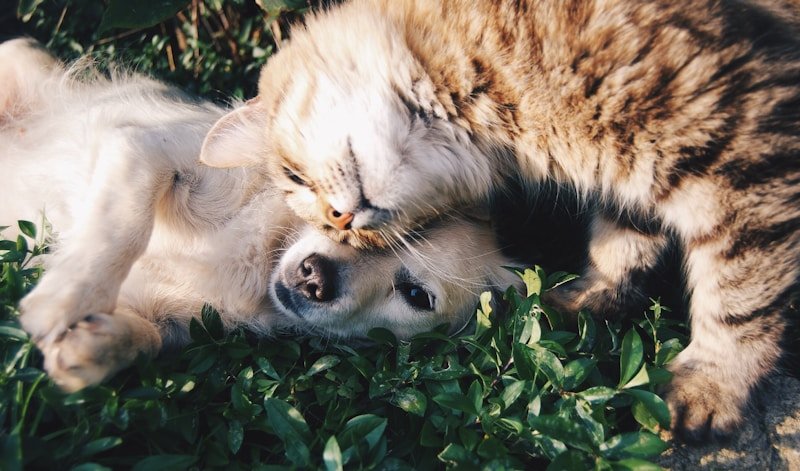
Cats are often seen as enigmatic, independent creatures who grace our homes with their presence and charm. However, throughout history, certain feline figures have made their mark in ways that transcend the typical domestic role. From legendary companions to revolutionary icons, these remarkable cats have played pivotal roles in shaping history, culture, and even scientific advancements. The following article will explore the impact of some of the most influential cats who have changed the world.
1. Felix the Cat: The First Animated Superstar
Felix the Cat is one of the most iconic characters in the history of animation. Created in 1919 by animator Otto Messmer and produced by Pat Sullivan, Felix was the first truly successful animated character, preceding Mickey Mouses by nearly a decade. Felix’s mischievous antics and expressive eyes captivated audiences, making him a cultural phenomenon. He appeared in countless silent films, newspaper comic strips, and even commercials.
Felix’s impact on the animation industry cannot be overstated. He set the stage for the golden age of animation, inspiring future animators and the creation of characters like Mickey Mouse, Bugs Bunny, and Tom and Jerry. Felix’s popularity also coincided with the rise of the film industry in the early 20th century, helping to cement the cultural importance of animation as a form of entertainment. To this day, Felix remains a symbol of animation’s power to engage and entertain, proving that even a cartoon cat can leave an indelible mark on the world.
2. The Cats of Ancient Egypt: Symbols of Power and Divinity
In Ancient Egypt, cats were revered as symbols of both power and divinity. The Egyptians’ relationship with cats was deeply intertwined with their spiritual and cultural beliefs. The goddess Bastet, depicted as a lioness or a woman with the head of a lioness, was the goddess of home, fertility, and protector of the family. Cats, therefore, were seen as sacred animals associated with protection and good fortune.
Egyptians believed that cats had the ability to ward off evil spirits and protect their homes from vermin. The killing of a cat, even accidentally, was considered a grave crime, punishable by death. Many Egyptian families kept cats as companions, and the animals were often mummified and placed in tombs alongside their owners, signaling their importance in both life and the afterlife. The reverence for cats in Ancient Egypt helped solidify their status as symbols of divine protection, and their influence continues to echo through history.
3. The Cat That Saved Lives: A Cat Named Oscar
In more recent history, a cat named Oscar became a symbol of hope and comfort in one of the most unlikely places: a nursing home. Oscar was a therapy cat who lived at the Steere House Nursing and Rehabilitation Center in Providence, Rhode Island. Oscar gained international fame for his extraordinary ability to predict when patients were near death.
Oscar would curl up next to patients who were about to pass away, offering them comfort in their final moments. Over the years, Oscar’s presence became well-known among the families of the nursing home’s residents, and he became an integral part of the community. His behavior was studied by medical professionals, and the cat’s ability to sense death was attributed to his keen awareness of changes in body chemistry or subtle behavioral shifts in patients.
While Oscar’s actions were scientifically intriguing, they also showcased the unique emotional connection that animals, particularly cats, can have with humans. Oscar’s presence provided solace to grieving families, and his role in the nursing home brought attention to the benefits of animal-assisted therapy in medical settings. He was a reminder that sometimes, a cat’s comforting purr is enough to ease even the most difficult transitions.
4. The Internet’s Favorite Feline: Grumpy Cat
In the digital age, a new breed of cats has emerged as icons of pop culture, none more famous than Grumpy Cat. Born Tardar Sauce in 2012, Grumpy Cat became a viral sensation thanks to her perpetually grumpy expression, which was caused by a combination of her genetics and a form of dwarfism. Her unique look quickly captured the internet’s attention, leading to the creation of countless memes, merchandise, and even a book deal.
Grumpy Cat’s rise to fame marked a shift in how cats—and animals, in general—could impact global culture through the internet. Her image was shared across social media platforms, and she became the face of viral humor. Grumpy Cat also paved the way for other internet-famous animals, highlighting the way in which social media has transformed pet ownership into a public phenomenon. While her grumpy face may have made her an unlikely celebrity, Tardar Sauce’s impact on internet culture was undeniable.
In addition to her meme status, Grumpy Cat also used her fame to raise money for animal charities and became a symbol of how even the most ordinary cat can leave an extraordinary legacy in the world.
Conclusion: The Enduring Influence of Cats in Our Lives
From ancient civilizations to modern-day memes, cats have proven time and again that their influence reaches far beyond the realm of the home. Whether as symbols of divinity, entertainment icons, or even sources of comfort during life’s most difficult moments, cats have shaped culture, science, and even medicine in ways that are often unrecognized. As companions, protectors, and even revolutionaries, these remarkable felines have truly changed the world.