
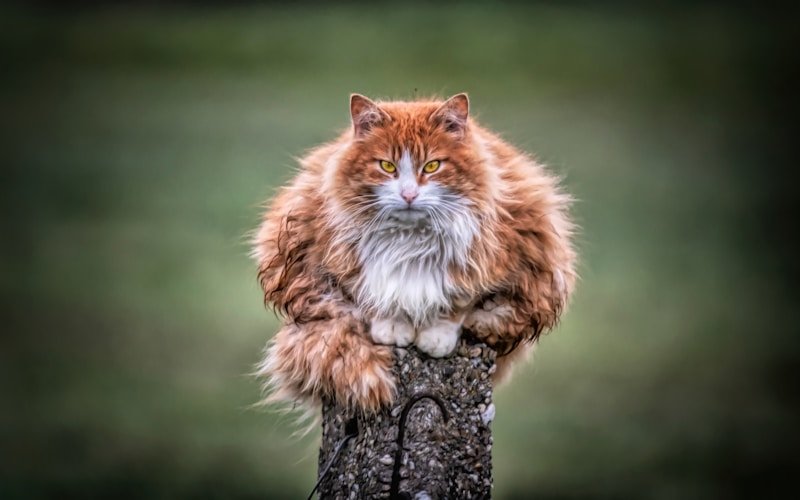
Cats have long been a source of fascination, both for their enigmatic personalities and their mysterious role throughout history. From ancient Egypt to modern times, these sleek and independent creatures have been intertwined with the lives of humans, embodying symbolism, mystery, and even reverence. Their presence has often evoked curiosity, fear, and awe. In this article, we explore the enduring impact of cats in history, from their symbolic significance to their role in folklore and culture.
1. Cats as Sacred Symbols in Ancient Egypt
In ancient Egypt, cats were more than just pets; they were revered as sacred beings. The Egyptians considered them as protectors and symbols of divinity. The goddess Bastets, depicted with the head of a lioness or domestic cat, was one of the most important deities in Egyptian mythology. She represented home, fertility, and childbirth, but also had associations with protection and warfare. Cats were believed to have magical properties that could ward off evil spirits and protect the home.
Because of their sacred status, cats were often kept in Egyptian temples and were even mummified and buried with their owners as a sign of respect and reverence. Killing a cat, even accidentally, was considered a grave crime, punishable by death. The Egyptians’ deep reverence for cats would influence how they were viewed across cultures for centuries to come.
2. Cats and Their Role in Medieval Superstition
During the Middle Ages, cats’ association with mystery took a darker turn. As Christianity spread through Europe, many pre-existing pagan beliefs, including the reverence of cats, were demonized. Cats were often linked with witches and were believed to possess supernatural powers. This connection to witchcraft made them both feared and loathed. They became the symbols of witches’ familiars—mysterious companions thought to aid in dark magic.
The fear of cats reached a tragic height during the 14th century when thousands of cats were killed, particularly during the height of the Black Death. This was due to the belief that cats were connected to the plague’s spread, despite the fact that they were actually helping to control the population of rats, which were known to carry the disease-causing fleas. This widespread persecution of cats may have worsened the spread of the plague in Europe, as the reduction in the cat population led to an increase in rat populations, and consequently, more disease.
3. Cats in Folklore and Mythology
Throughout history, cats have been featured prominently in folklore and mythology across different cultures. In Norse mythology, the goddess Freyja had a chariot pulled by two large cats. These cats were believed to have the ability to shape-shift, a characteristic that linked them to the mysterious and supernatural world. In Japan, the “maneki-neko,” or “beckoning cat,” is a popular talisman believed to bring good luck and fortune. This statue, often found in shops and restaurants, depicts a cat with an upraised paw, as if beckoning customers or prosperity into a business.
In addition to these tales, many cultures have viewed cats as protectors of the home. For example, in Russian folklore, the “domovoi” spirit is said to protect the household, and cats were often thought to help the domovoi in its work. Similarly, in European cultures, it was believed that cats could protect the home from evil spirits, particularly during the witch trials.
4. Cats in Modern Culture and Popularity
Today, cats are beloved members of households around the world. Their role in history, folklore, and mythology has translated into their modern status as pets, companions, and cultural icons. While their mysterious aura remains, cats are now more associated with comfort and companionship than superstition. They have become one of the most popular pets globally, with their independent yet affectionate nature making them ideal companions for people of all ages.
In popular culture, cats have appeared in countless works of art, literature, and film, often portraying their enigmatic personalities. From the mischievous Cheshire Cat in Alice’s Adventures in Wonderland to the infamous Catwoman in the Batman series, cats are often depicted as characters that combine mystery, cunning, and charm. They also have a strong presence on the internet, with viral videos and memes showcasing their amusing antics and personalities. The internet has created a new form of celebrity for cats, with some even gaining millions of followers on social media.
Cats have managed to retain their air of mystery while adapting to modern life. Their ability to navigate between being aloof and affectionate, independent and loving, has allowed them to maintain a unique place in human culture—one that is not likely to change anytime soon.
Conclusion
From their revered status in ancient Egypt to their dark association with witchcraft in the Middle Ages, cats have always captured the human imagination. Their role in history is as multifaceted as their personalities—sometimes sacred, sometimes feared, and always mysterious. Today, they remain beloved companions, embodying the same aura of intrigue that has surrounded them for millennia. Whether as protectors, symbols of divinity, or charming internet celebrities, cats continue to leave an indelible mark on history, folklore, and culture. Their paws may be small, but their presence in human history is anything but insignificant.