
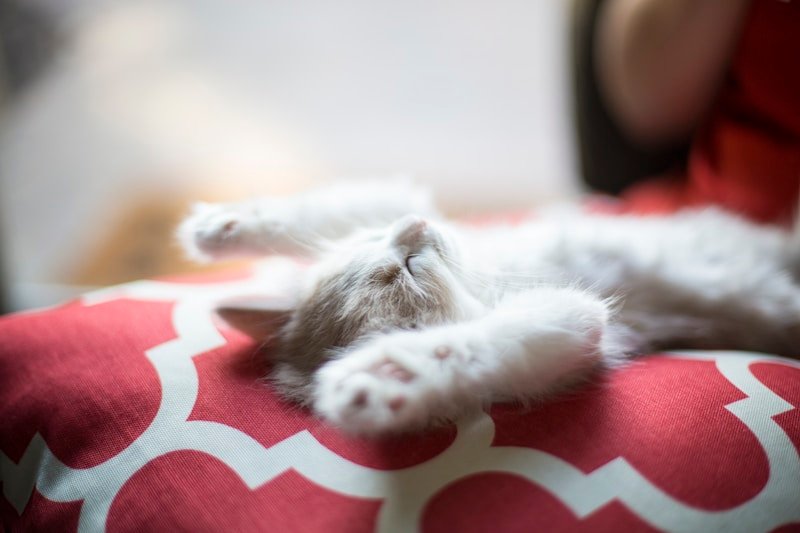
Cats have a reputation for being expert nappers, and it’s not without reason. If you’ve ever observed your cat dozing off in a sunbeam or curled up in a cozy corner, you’ve likely wondered how they manage to sleep so much. The truth is, cats spend a significant portion of their lives sleeping—sometimes up to 16 hours a day! But what drives these epic naps, and what can we learn from the way cats rest? Let’s dive into the fascinating world of feline slumbers, where naps are not just a pastime, but an essential part of a cat’s biology and behavior.
The Science Behind Cat Naps
Cats are known to be crepuscular animals, meaning they are most active during the dawn and dusk hours. This natural rhythm plays a crucial role in their sleep patterns. Unlike humans who generally follow a diurnal (daytime-active) cycle, cats are built to sleep during the day and be active in low-light conditions. Their sleep schedule is designed to align with the times when their prey—such as rodents—are most active.
In the wild, cats use their nap time to conserve energy, ensuring they have the strength to hunt when necessary. Domesticated cats still retain these instincts. Even though they don’t need to hunt for food, their bodies are still wired to sleep for extended periods to maintain peak alertness during their more active hours.
Cat Nap Styles: The Sleeping Positions
While it’s easy to think of a cat as simply lounging around, their sleep positions can reveal a lot about their mood and level of comfort. A cat’s sleeping posture can tell you whether they feel secure or need to be on high alert. Let’s take a look at some common cat nap positions:
-
The Bellys-Up Position: When a cat sleeps on its back with its belly exposed, it’s usually a sign that the cat feels incredibly safe and relaxed. It’s one of the most vulnerable positions, so a cat in this pose is trusting its environment completely.
-
The Curled Ball: Cats often curl up into a ball when they’re trying to conserve heat or protect themselves. This is the most common sleeping position for outdoor cats or those that live in colder climates. It’s a sign that they are in “defensive mode” even while resting.
-
The Side Snooze: Cats that sleep on their side, fully stretched out, show that they are at ease in their environment. This position is typically seen in well-adjusted and comfortable cats who feel safe and confident in their surroundings.
-
The Paws Tucked Under: Cats sometimes rest with their paws tucked underneath their bodies, which is a position that helps them stay poised for quick movement. If a cat feels like it’s in a semi-alert state, this position helps them spring into action faster if needed.
Why Cats Sleep So Much
It’s easy to wonder, “Why do cats sleep so much?” The answer lies in their evolutionary biology. Cats are obligate carnivores, which means their diet consists primarily of meat. In the wild, hunting is a physically demanding activity, and cats need ample rest between hunts to recharge.
Even though domesticated cats no longer have to hunt for their meals, they still have the same need for rest. Sleeping conserves energy, keeps them sharp for when they do decide to play or interact, and helps them maintain their physical health.
Furthermore, cats have a unique sleep cycle that includes both slow-wave sleep (SWS) and rapid eye movement (REM) sleep. During SWS, cats can rest deeply, while REM sleep allows them to dream. Studies suggest that cats experience more REM sleep than humans, which could be an indicator of their complex mental and emotional lives.
The Benefits of Cat Naps for Humans
It’s not just cats who benefit from napping. Observing their sleep habits can be a reminder for us humans to slow down and appreciate the importance of rest. While most people view naps as a luxury or indulgence, science suggests that taking short naps can actually improve cognitive function, mood, and overall productivity.
By adopting some of the cat’s napping habits, we might be able to achieve a similar sense of rejuvenation. A 20- to 30-minute nap, like the ones our feline friends take, can provide a quick boost of energy, improve alertness, and even reduce stress levels. Cats also remind us that rest is just as important as activity for maintaining a healthy, balanced life.
Conclusion: The Timeless Wisdom of Cat Naps
Cats teach us the importance of listening to our bodies, embracing rest, and making time for relaxation. Their sleep habits are not just adorable quirks; they’re a reminder that rest is essential for overall well-being. Whether you’re curled up like a cat or stretched out in a sunbeam, taking the time to rest is vital.
So, the next time you find yourself watching your cat peacefully snoozing, remember that they’re not just being lazy—they’re following an ancient biological rhythm that prioritizes rest. And maybe, just maybe, we can all learn a little something from their cat nap chronicles.