
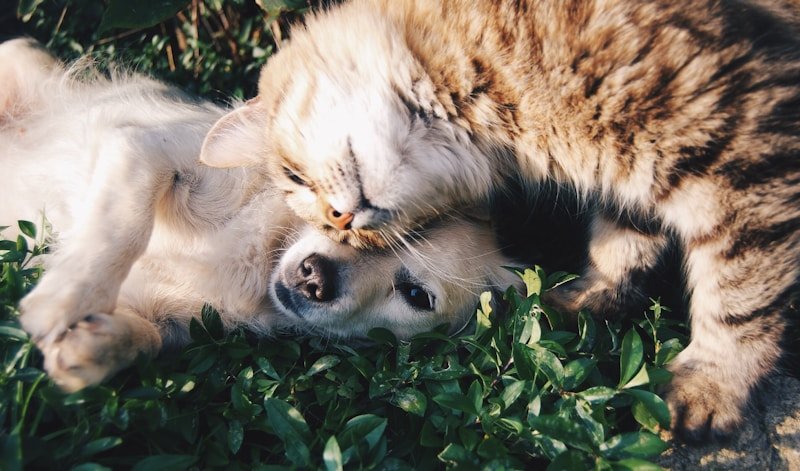
Cats have long been cherished companions to humans, bringing joy and comfort with their quirky personalities, soothing purrs, and independent nature. Whether they’re curled up on a windowsill or darting playfully around the house, these feline friends have a special place in many households. But what makes a cat so unique in the animal kingdom? And what is it that draws us, as humans, to these enigmatic creatures?
In this article, we’ll explore a cat’s life from the eyes of a feline, covering everything from their natural instincts to their bonds with humans. Let’s dive into the fascinating world of cats and discover why they are much more than just pets—they are true friends.
A Cat’s Early Days: From Kitten to Independent Hunter
The life of a cat begins with a leap of innocence. Born into a litter, a kitten’s first few weeks are spent under the protective care of its mother, learning the basics of survival. At this stage, kittens are entirely dependent on their mother for warmth, food, and socialization. They begin to open their eyes around 7 to 10 days and, by four weeks, start to walk and explore their environment.
As they grow, kittens gradually become more curious about their surroundings. They learn vital hunting skills through play, as they chase after anything that moves, from their mother’s tail to the shadows on the floor. This playful stage is essential for developing coordination and honing their hunting abilities, which will later serve them as they mature into skilled predators. By 8 weeks, they are ready to begin solid food and can slowly separate from their mother, starting their journey toward independence.
The transition from kitten to adult cat is marked by a deepening sense of independence. Cats are solitary hunters by nature, and while they may enjoy companionship, they also need their personal space. Unlike dogs, who thrive on pack structure and social bonds, cats are often content with solitude, although they form close relationships with humans and other pets in their environment. This independence is one of the reasons why cats can be both affectionate and aloof, depending on their mood and the situation.
The Cat’s Huntings Instinct: More Than Just a Game
One of the most fascinating aspects of a cat’s behavior is its strong hunting instinct. Even domesticated cats that are fed regularly still display hunting behaviors, such as stalking, pouncing, and batting at objects. These actions are not simply a game—they are part of their evolutionary DNA.
In the wild, cats are carnivores and highly skilled predators. Their bodies are designed for stealth and agility, with retractable claws, sharp teeth, and keen senses of sight and smell. In the home, this instinct is often redirected toward toys, or even household items like dangling cords or moving objects. While a domestic cat may not need to hunt for its food, the instincts remain ingrained.
For many pet owners, this behavior can be both entertaining and endearing. Watching a cat crouch low to the ground, inching forward with precision, is a reminder of the wild roots that still exist beneath the surface. It also speaks to a cat’s complex nature: domesticated, yet still in touch with its primal heritage.
The Bond Between Cats and Humans: Trust and Affection
Despite their reputation for independence, cats are capable of forming deep emotional bonds with their human companions. While they may not display affection in the same overt ways that dogs do—like wagging their tails or jumping up for a cuddle—cats have their own unique methods of showing love.
For example, a cat might follow you around the house, sit next to you, or even “knead” you with their paws—mimicking the comforting motion they used to make while nursing as kittens. The purring of a cat is another indicator of affection, as it often signals contentment and trust. Some cats may even “give gifts,” like a caught mouse or bird, as a token of their appreciation, although this behavior can be interpreted differently by their owners.
Cats also communicate with humans through body language. A slow blink from a cat is often referred to as a “cat kiss” and is a sign of trust and comfort. When a cat is comfortable with you, it may expose its belly, an area that is normally vulnerable. This act signifies complete relaxation and a sense of safety.
Over time, many cat owners form deep, lasting bonds with their feline friends, often equating them to family members. The companionship of a cat provides comfort, especially for those who appreciate a pet that is affectionate but not demanding. For many, a cat’s presence brings a quiet kind of joy that is simply unmatched.
Understanding Cat Behavior: The Mystery Unraveled
Despite their seemingly mysterious nature, cats are not as difficult to understand as they may seem at first glance. However, there are a few key behavioral traits that can confuse new cat owners. One of the most commonly misunderstood behaviors is a cat’s tendency to hide when feeling unwell or stressed. While dogs may seek out human companionship when they’re not feeling well, cats often retreat to a safe, quiet place where they can recover in peace.
Another behavior that can confuse people is a cat’s tendency to “scratch” furniture. This is not just a bad habit; it’s a necessary action for a cat’s health. Scratching helps cats shed the outer layers of their claws, mark territory, and stretch their muscles. Providing appropriate scratching posts can alleviate this issue while keeping your furniture safe.
Cats also communicate through vocalizations, and each cat has its own unique “vocabulary.” From the classic “meow” to the softer “chirp” or “trill,” cats use sounds to express their desires and emotions. Understanding these subtle cues is a key part of building a strong relationship with your cat.
Conclusion
Cats are more than just pets—they are independent, intelligent, and loving companions who offer a unique bond to those fortunate enough to share their lives. From their early days as playful kittens to their later roles as affectionate, yet independent, friends, cats provide a type of companionship that is both comforting and exciting. Understanding their instincts, behaviors, and personalities enriches the experience of living with a cat, and provides insight into why these feline friends continue to be beloved members of countless families around the world.