
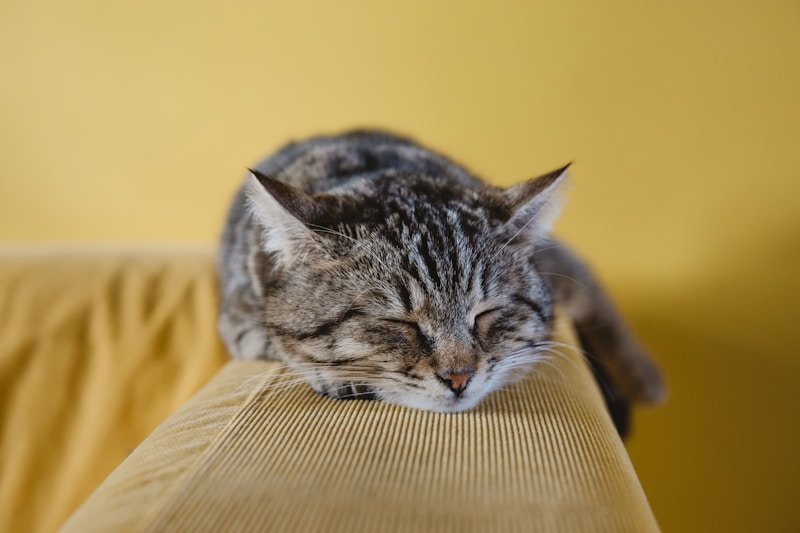
When you have to leave your pet in a kennel, it can be an emotional experience for both you and your furry friend. While it’s not easy to be separated from them, a well-run, stress-free kennel can help ease the anxiety and ensure your pet remains comfortable. Fortunately, there are several ways to create a kennel environment that minimizes stress and provides a safe and calm space for your pet. In this article, we’ll explore some of the most important elements of a stress-free kennel experience.
1. Choosing the Right Kennel: Environment Matters
The first step in creating a stress-free experience for your pet starts with selecting the right kennel. The facility should be clean, well-maintained, and organized. Look for a kennel with a quiet, soothing atmosphere and a layout that allows the animals to have their own space.
Key Things to Look For:
-
Quiet Location: A kennel that’s located in a peaceful, quiet area will help prevent unnecessary stress from outside noise like traffic or loud crowds.
-
Low-to-High Stress Zones: A good facility will separate pets based on size and temperament, so your dog won’t be intimidated by a larger, more aggressive animal.
-
Cleanliness and Safety: The facility should maintain high standards of hygiene, with clean sleeping areas, fresh water, and safe enclosures. Check for secure fencing, non-slip floors, and no sharp objects.
2. Maintaining Comfort and Familiarity
Being in a new place can be stressful for a pet, so maintaining comfort and a sense of familiarity is crucial. If possible, visit the kennel with your pet beforehand, and allow them to get used to the new environment. This can make the transition smoother.
Strategies for Keeping Your Pet Comfortable:
-
Bring Their Favorite Items: Familiar smells and objects can work wonders for a pet’s sense of security. Bring their bed, blanket, or favorite toy with them. These comforting items can help them feel more at home.
-
Consistent Routine: Pets thrive on routine. Ask the kennel staff about their daily schedule, including meal times, playtimes, and rest periods. A predictable schedule will help your pet adjust more quickly.
3. Creating a Calming Environment
While some pets may take longer to adjust than others, there are several steps the kennel staff can take to create a calming environment for every pet.
Tips for Reducing Stress:
-
Soft Background Music or White Noise: Gentle background sounds like classical music or white noise can help mask sudden loud noises and create a relaxing atmosphere.
-
Aromatherapy or Pheromones Diffusers: Products like calming pheromone diffusers (e.g., Adaptil for dogs) can help soothe anxious animals. These synthetic pheromones mimic the calming scent that mother animals give off and can help alleviate stress.
-
Adequate Space and Ventilation: Ensure that the kennels provide enough room for your pet to move comfortably. A cramped space can increase stress. Good airflow and ventilation will also help your pet breathe easily, preventing further anxiety.
4. Engaging Activities and Socialization
Pets, especially dogs, need mental stimulation and physical exercise. If your pet is used to regular playtime, it’s important that the kennel offers plenty of opportunities for fun and social interaction.
Ideas to Keep Pets Engaged:
-
Frequent Exercise and Play: Many pets experience anxiety when confined for long periods. Ask the facility about their exercise program. Does your pet get to go for walks, play with other animals, or have one-on-one time with a staff member?
-
Individual Attention: Not all pets enjoy group play. Some may prefer more personal attention. Make sure the kennel staff is willing to provide individualized attention for pets that may not get along well with others or who have special needs.
-
Training Opportunities: For pets that need training, a kennel that offers basic obedience lessons or enrichment activities can be a great option. This keeps their mind active and helps reduce anxiety during their stay.
Conclusion
Leaving your pet at a kennel doesn’t have to be a stressful experience, either for you or your pet. By choosing the right facility, ensuring comfort and familiarity, creating a calming atmosphere, and providing adequate engagement and socialization, you can ensure that your pet has a positive and stress-free stay. If you take the time to plan ahead and select a facility that meets your pet’s specific needs, both of you can enjoy the time apart knowing that they’re in good hands.
With the right environment, your pet can not only survive but thrive during their stay at a kennel. So, don’t worry—your furry friend will be just fine.