
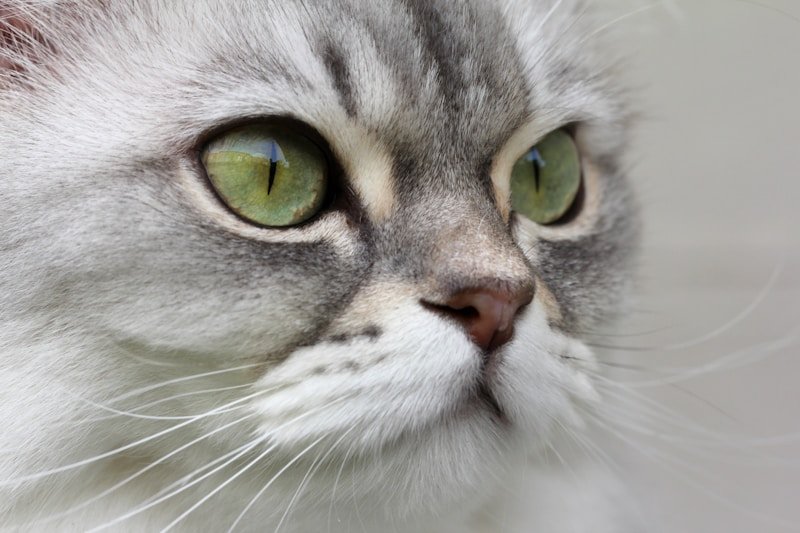
Cats have been companions to humans for thousands of years, embodying mystery, independence, and grace. From the ancient Egyptians who revered them as gods to the modern-day couch companions that curl up beside us, the relationship between humans and cats is rich and multifaceted. But what makes cats so special? What is it about them that captures our hearts and imaginations, time and time again?
In this article, we’ll explore the fascinating world of cats, from their history with humans to their unique personalities and quirks. Whether you’re a lifelong cat lover or simply intrigued by these creatures, there’s much to discover.
The Ancient Bond: Cats and Humans Throughout History
The relationship between cats and humans dates back over 9,000 years. Evidence suggests that domesticated cats were first brought into human homes by the ancient Egyptians. Cats were highly regarded, often depicted in Egyptian artwork and even mummified alongside their human owners. The goddess Bastets, depicted as a lioness or a woman with the head of a cat, symbolized fertility, home, and protection.
However, it wasn’t just the Egyptians who found cats valuable. In medieval Europe, cats were often associated with witches and were both feared and revered for their mystical powers. Over time, cats became more widely accepted as companions, especially among the aristocracy. Their role as natural pest controllers in barns, homes, and ships also helped establish them as indispensable members of society.
In modern times, cats have become beloved pets across the globe, with millions of households welcoming these independent and low-maintenance creatures into their homes. The allure of the cat has remained strong, and their role in our lives has evolved into one of pure companionship.
Cats: The Independent Yet Affectionate Companions
One of the most distinctive traits of cats is their independence. Unlike dogs, who often look to their owners for guidance and companionship, cats are more self-sufficient. They can spend hours alone without becoming anxious, and many cats prefer to roam freely around their territories.
Despite their independent nature, cats are far from aloof. They form deep bonds with their human companions and are often affectionate in their own unique ways. A cat might nudge your hand for attention, curl up on your lap for warmth, or simply sit beside you, enjoying the quiet presence of their human.
Cats also have their own language when it comes to expressing affection. The slow blink, often referred to as a “cat kiss,” is a sign that a cat feels safe and content in your company. Purring, which often accompanies moments of relaxation and happiness, is another way cats communicate their affection. These subtle signs of love are part of what makes the bond between humans and cats so special.
The Quirks That Make Cats So Endearing
Cats are known for their quirky behavior, which only adds to their charm. They are often unpredictable, and their antics can be a source of endless entertainment for their owners. From chasing after seemingly invisible objects to their fascination with cardboard boxes, cats have a way of keeping us on our toes.
One of the most endearing cat quirks is their love for high places. Whether it’s a bookshelf, a windowsill, or the top of the refrigerator, cats often seek out elevated spots where they can observe their surroundings. This behavior is instinctual, as cats in the wild often perch high to watch for potential threats and prey.
Another amusing behavior is their love for hunting. Even well-fed domestic cats will engage in hunting-like behavior, such as stalking toys, chasing after laser pointers, or even pouncing on unsuspecting feet. This predatory instinct, though playful, is deeply embedded in their nature.
Understanding Your Cat: The Science of Feline Behavior
While cats’ mysterious behavior can sometimes be baffling, much of it is rooted in their evolutionary history. Cats are solitary hunters by nature, and their ancestors were highly skilled in stealth and precision. This explains many of the behaviors we see in domestic cats today, from their love of stalking and pouncing to their need for quiet solitude.
However, cats also have a complex emotional life. They form strong bonds with their human companions and may even experience feelings of jealousy or anxiety when their routine is disrupted. Understanding a cat’s behavior is crucial to fostering a happy and healthy relationship with them. For example, a cat that suddenly stops eating may be signaling stress or discomfort, while one that starts excessively grooming could be dealing with anxiety.
By observing your cat’s body language and paying attention to the subtle cues they give, you can better understand their emotional state. A twitching tail, for instance, might indicate irritation, while a raised back can signal a defensive posture. Recognizing these signs can help you build a stronger connection with your feline friend.
Conclusion
A cat’s tale is a story of independence, affection, and playful curiosity. From ancient Egypt to modern homes, cats have been cherished for their grace, mystery, and unique personalities. While they may not demand the attention of a dog, cats offer a different kind of companionship—one that is quiet, yet profound.
Whether you’re drawn to their soft purring, their quirky antics, or their independent spirit, it’s clear that cats have earned their place in our hearts. As we continue to share our lives with these enigmatic creatures, one thing remains certain: the bond between humans and cats is a timeless one, and it’s a tale that will continue for generations to come.