
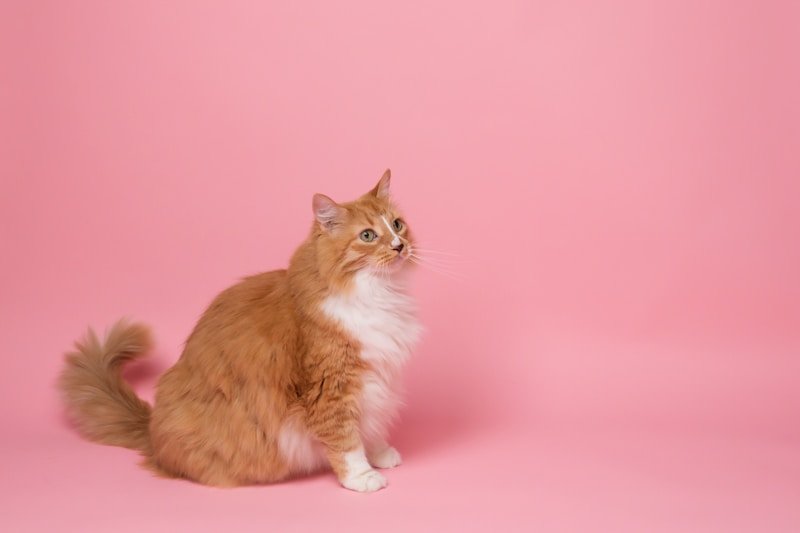
Cats have long been cherished companions in households around the world. Whether they’re chasing after laser pointers, curling up on windowsills, or simply lounging in their favorite spot, cats are more than just adorable companions. Behind every purr and flick of their tail is a unique personality, rich behaviors, and fascinating instincts that make them much more complex than their reputation suggests. In this article, we explore what truly goes into a cat’s life, looking beyond the cute and cuddly exterior to uncover the intricacies of their daily existence.
The Feline Mind: Independent Yet Affectionate
Cats are often stereotyped as aloof or indifferent animals, but in reality, they can form deep bonds with their human companions. Unlike dogs, who are pack animals and thrive on social interaction, cats are more independent, relying on their natural instincts for survival. However, this doesn’t mean that they don’t enjoy or seek affection. They tend to show their love in subtle ways, such as rubbing against their owners, kneading soft surfaces, or simply curling up next to them for warmth and comfort.
The balance between independence and affection is part of what makes cats so fascinating. They can spend hours exploring, hunting, or simply gazing out the window, but when they want attention, they’ll find a way to communicate it, whether through a gentle meow or a silent gaze. Their ability to switch between independence and affection gives them a unique emotional range, making each cat-owner relationship different.
Cats and Their Instincts: Masters of Hunting and Exploration
A cat’s instincts are deeply ingrained, even if their domesticated lifestyle has softened them a bit. At the core, cats are hunters. In the wild, cats hunt for their food, relying on stealth, patience, and agility. Even house cats who are fed regularly will engage in hunting behaviors, whether it’s chasing a toy, pouncing on a moving object, or even stalking a shadow. These behaviors are all a product of their ancestral survival instincts.
In addition to their predatory instincts, cats are also curious explorers. They love to investigate their environment, sniffing every corner and climbing to the highest points they can reach. This curiosity helps them stay mentally stimulated and prevents boredom, which is essential for a cat’s well-being. Cats are particularly fond of finding high vantage points—like the top of a bookshelf or a perch by the window—because it allows them to survey their territory and feel secure. These behaviors, while cute, are deeply tied to the survival mechanisms that helped their wild ancestors thrive.
The Feline Body: Graceful and Agile
Cats are known for their graceful movements, which are a result of their flexible bodies and incredible agility. A cat’s spine is particularly flexible, enabling it to twist and contort its body with ease. This flexibility helps them land on their feet if they fall, a skill known as the “righting reflex.” Their long, muscular legs and retractable claws allow them to pounce with precision, and their sensitive whiskers help them navigate tight spaces and detect changes in air currents.
One of the most impressive aspects of a cat’s physicality is its speed. Domestic cats can run up to 30 miles per hour in short bursts, a testament to their athletic prowess. This quickness comes in handy when they need to catch prey, avoid danger, or simply dash to a new vantage point. While they are known for their love of lounging, when the need arises, cats are ready to spring into action with the grace and agility of a skilled athlete.
The Importance of Play and Mental Stimulation
For cats, play isn’t just a way to pass time—it’s an essential part of their physical and mental well-being. Kittens learn critical skills through play, such as hunting, coordination, and socialization. Even as adults, cats continue to benefit from playtime, as it helps prevent boredom, burns off excess energy, and strengthens the bond between them and their owners.
Interactive toys, puzzle feeders, and games like fetch (yes, some cats will fetch!) provide opportunities for mental stimulation and mimic the behaviors they would use in the wild. When cats don’t have enough mental stimulation, they may resort to destructive behaviors, like scratching furniture or knocking things off counters. Keeping a cat engaged through play is not only fun but also essential for their happiness and health.
Conclusion: A Life Full of Wonder
While cats may spend a lot of their day napping or grooming, their lives are far from simple. They are complex, intuitive creatures with instincts that shape their behavior, bodies that exude agility, and minds that are as independent as they are affectionate. Whether you’re watching them curl up in a sunbeam or observing their quick, calculated movements during play, it’s clear that a cat’s life is filled with wonder and depth.
By understanding their behaviors, instincts, and needs, we can better appreciate what it means to share our homes with these mysterious and fascinating creatures. Cats may be known for their purring, but their lives are much richer than just that—they are a blend of independence, affection, agility, and curiosity that make them truly special companions.