
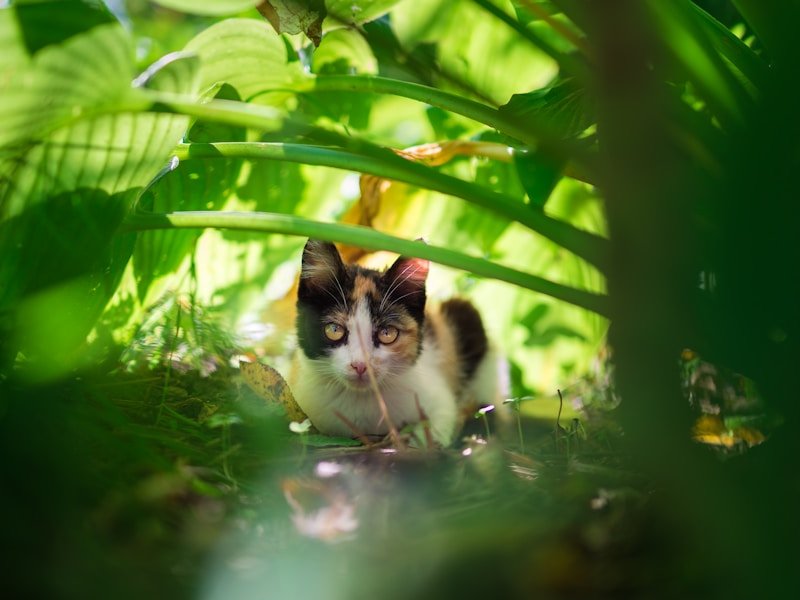
Cats, with their mysterious charm and independent personalities, have long captured the fascination of humans. From their ancient status as revered creatures in Egypt to their modern-day role as beloved companions, the feline species has carved a unique niche in human history. The journey of the cat, however, is far from straightforward. It involves centuries of domestication, intriguing behavioral patterns, and a significant influence on various cultures and societies. Let’s explore the enigmatic world of cats in this installment of The Feline Chronicles.
The Ancient Bond: Cats and Civilization
The relationship between humans and cats can be traced back thousands of years. Evidence of domesticated cats first emerges in ancient Egypt, where they were regarded as sacred animals. The Egyptians valued cats for their hunting prowess, especially in controlling rodent populations. Cats were so revered that they were often associated with the goddess Bastets, a deity of home, fertility, and protection.
While Egypt is famous for its reverence of cats, other ancient civilizations also valued them. The ancient Greeks and Romans, for instance, acknowledged the usefulness of cats in keeping their homes free from pests. However, the transition from wild to domesticated animals wasn’t always smooth. Cats were still somewhat independent, roaming freely and forming their own communities, yet they maintained a symbiotic relationship with humans, providing pest control in exchange for food and shelter.
The Evolution of Feline Behavior
Understanding the behavior of domestic cats requires a dive into their evolutionary history. Cats (Felis catus) are descendants of wild ancestors, particularly the African wildcat (Felis lybica). Unlike dogs, which have been bred to work alongside humans for thousands of years, cats were domesticated more subtly, relying on their innate hunting abilities to co-exist with humans. As solitary hunters, cats retained much of their wild behavior, which explains why many domestic cats exhibit traits like territoriality, a preference for solitary activities, and a strong hunting instinct.
Despite their seemingly aloof nature, cats form strong attachments to their owners, though these relationships are usually expressed in subtle ways. For example, a cat may bring you a “gift” in the form of a hunted prey item (real or fake), or it may follow you from room to room, a sign of affection and loyalty. The common myth that cats are aloof and unloving is simply a misinterpretation of their independent yet affectionate personalities.
Cats in Modern Society: From Pets to Pop Culture Icons
In the modern world, cats have evolved from ancient companions to pop culture icons. The rise of the internet has given cats a platform to showcase their quirky personalities. Viral sensations like Grumpy Cat and the countless meme-worthy felines have turned cats into symbols of humor, rebellion, and charm.
Social media platforms, particularly Instagram and YouTube, have become filled with cat influencers, where felines like Lil Bub and Nyan Cat have gathered millions of followers. These cats often portray humorous or unusual behavior that resonates with millions of fans, highlighting the unique bond between humans and these playful creatures. It’s not just about cute videos; cats have become a source of comfort, relaxation, and emotional support for many. Pet therapy involving cats has gained widespread acceptance as an effective way to reduce stress and anxiety.
Cats also dominate literature, art, and film. From the mischievous Cheshire Cat in Alice in Wonderland to the lovable protagonist of The Cat in the Hat, cats continue to feature prominently in creative works. Their ability to embody both mystery and playfulness makes them perfect subjects for exploration in the arts.
The Science of Cats: What Makes Them Tick?
While much about cats remains a mystery, scientific studies have provided insight into their behavior, biology, and physiology. One of the most interesting aspects of a cat’s biology is its purring. Cats purr when they are content, but they also purr when they are in pain or distress. Scientists believe that purring may have a healing effect on a cat’s body, as the frequency of the sound vibrations produced (between 25 and 150 Hz) is known to promote bone density and healing.
Another fascinating aspect of cats is their unique communication style. While dogs are known for barking and wagging their tails, cats use a range of vocalizations to express their needs, emotions, and desires. A cat’s meow, for example, is often a tool to communicate with humans, as cats do not typically meow to other cats after reaching adulthood. Instead, they rely on meows to get attention, food, or affection from their human companions.
Cats also have excellent night vision, a trait that is linked to their evolutionary need as nocturnal hunters. Their eyes are adapted to see in low-light conditions, allowing them to detect even the slightest movement of prey during the night. This ability, combined with their keen sense of smell and sharp hearing, makes them exceptional hunters.
Conclusion: Why Do We Love Cats?
The allure of cats is multifaceted. Their beauty, independence, and mysterious behavior make them endlessly fascinating. Whether lounging in the sun, chasing a toy, or curling up in your lap, cats offer a quiet companionship that is both soothing and rewarding. The history of the cat is a rich tapestry that blends myth, culture, and biology, revealing a creature that is much more than just a pet. It’s no wonder that cats continue to capture the hearts of millions around the world.
In the end, perhaps it’s their enigmatic nature that keeps us so intrigued. We may never fully understand the mind of a cat, but that only adds to the magic.