
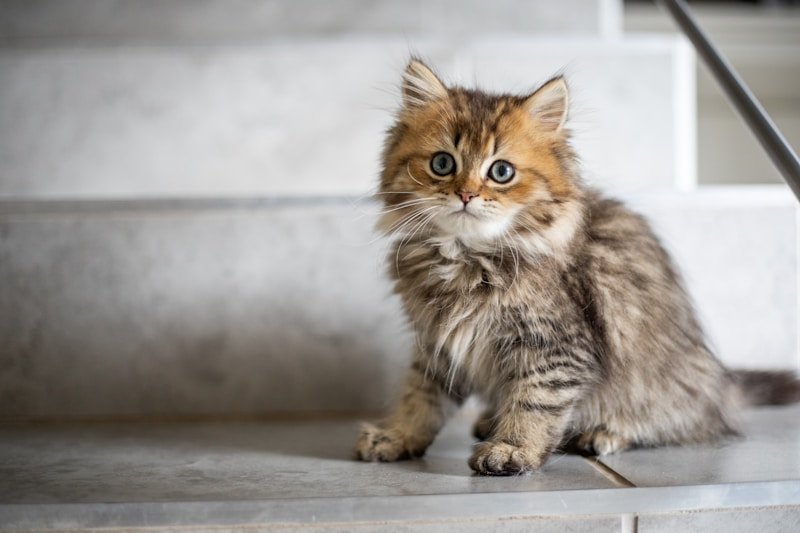
Cats have long been regarded as mysterious creatures, and there’s something particularly magical about them at night. Their eyes gleam like twin lanterns, their fur soft and shimmering in the moonlight. These independent and often elusive animals take on an even more ethereal quality under the cover of darkness. In this article, we explore the world of cats at night, from their nocturnal habits to their symbolic presence in cultures worldwide.
The Nocturnal Nature of Cats
One of the most distinct traits of cats is their nocturnal behavior. Unlike humans, who typically rest through the night, cats are often most active when the moon rises. This behavior is not just quirky; it is deeply ingrained in their biology. Cats are crepuscular animals, meaning they are most active during the twilight hours of dawn and dusk, as well as late at night.
This nocturnal behavior can be traced back to their wild ancestors. In the wild, hunting is often more effective during the cool, quiet hours of the night. Their sharp eyes are designed to detect even the faintest movement in low-light conditions, while their acute sense of hearing allows them to detect prey even in the dead of night. For domestic cats, this instinct often manifests in midnight zoomies, stealthy patrols around the house, or even late-night “hunting” of toys and shadows.
Cats’ Nighttime Vision: A Glimpse Into Their World
Cats’ ability to see in low light is a marvel of nature. While human eyes rely on rods and cones to detect light and color, a cat’s eyes are equipped with a high number of rods, which help them see in dim light. This gives them an extraordinary ability to navigate in near-complete darkness.
The reflective layer behind a cat’s retina, known as the tapetum lucidum, further enhances their night vision. This layer reflects light that passes through the retina, giving it a second chance to stimulate the light-sensitive cells. This is why cats’ eyes often appear to glow in the dark, a phenomenon that adds to their mystique. Under the moonlight, their eyes appear like little orbs of fire, scanning their environment with a quiet, predatory intensity.
The Symbolism of Cats in Nighttime Lore
Throughout history, cats have been symbols of mystery, independence, and even the supernatural. Many cultures view cats as creatures of the night, often associating them with witchcraft, omens, and the unknown. Their ability to navigate the darkness with grace and precision has made them subjects of fascination.
In ancient Egypt, cats were revered as sacred animals. The goddess Bastets, often depicted with a lioness head or as a woman with a cat’s head, was the goddess of home, fertility, and protection. Cats were believed to have protective qualities, guarding the household from evil spirits. Similarly, in medieval Europe, black cats were often seen as witches’ familiars or as protectors from malevolent forces.
Today, cats continue to embody a sense of mystery, often seen as spiritual or magical beings. They’re portrayed in literature, film, and art as companions to nocturnal creatures or guardians of the unseen world. Whether in fairy tales or urban legends, the image of a cat silently watching the night is a common theme.
Cats and the Moon: A Bond Beyond the Physical
There is something undeniably poetic about a cat basking in the moonlight. The soft silver glow illuminates their sleek fur, enhancing their ethereal beauty. But the connection between cats and the moon runs deeper than mere aesthetics. Cats, with their strong ties to the night, seem to possess a certain kinship with the moon, a celestial body that has long been associated with mystery, change, and intuition.
Many cultures view the moon as a symbol of feminine energy, mystery, and intuition, qualities often attributed to cats. The idea of a cat curling up on a windowsill, bathed in moonlight, evokes a sense of calm and otherworldliness. It is almost as if cats share a secret language with the moon, an ancient bond that goes beyond mere survival or biology.
This connection is also seen in the behaviors of cats during certain lunar phases. For example, some owners report that their cats become more restless or playful during a full moon. Whether or not there’s any scientific evidence to support these claims, the symbolic association between cats and the moon remains a powerful one in popular culture.
The Peaceful Solitude of Cats in the Night
For many cat owners, the quiet hours of the night are when their pets truly shine. Cats are creatures of solitude, and while they may seek attention during the day, they often find solace in the stillness of night. Their graceful movements, delicate whiskers, and contented purring create a sense of peace that can be both soothing and hypnotic.
It’s during these late-night moments that cats can be their truest selves—unconcerned with the hustle and bustle of the daytime world. Their focus shifts entirely to the sensory experience of the night: the subtle movements of the air, the distant sounds, the soft light. In a way, they are the silent observers of our world, living in a realm that exists just beyond our comprehension.
Conclusion
The image of a cat under the moonlight is one of grace, mystery, and silent power. From their extraordinary ability to navigate the night to their deep cultural symbolism, cats are creatures who have always been tied to the twilight hours. Whether as companions or as symbols of something greater, cats remind us of the beauty and wonder that can be found in the quiet, moonlit moments of life.
As you watch your cat moving silently through the shadows, you may sense that they know something you don’t—that the night, with all its mysteries and its quiet wonder, is truly their domain.