
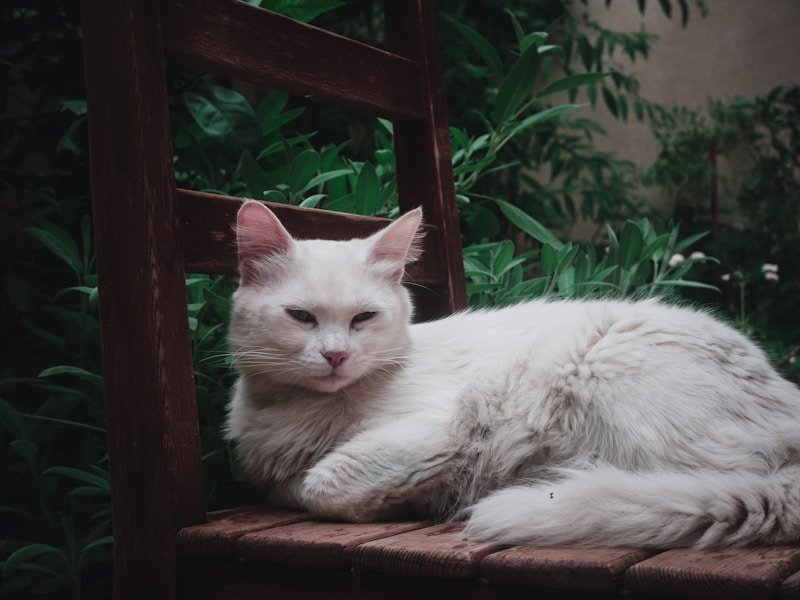
Cats have long been associated with the mysterious and magical hours of the night. Their quiet, graceful movements and piercing eyes make them seem almost otherworldly as they navigate through the darkness. The phrase “midnight meow” evokes an image of a sleek feline prowling the streets or silently observing from a window, embodying the essence of nocturnal curiosity. But what is it about cats and the night that captivates our imaginations? In this article, we will explore why cats are so active at night, their nocturnal behaviors, and the cultural significance of their late-night escapades.
The Evolutionary Origins of Cats’ Nighttime Activity
To understand why cats are particularly active at night, we need to consider their evolutionary history. Domestic cats (Felis catus) are descendants of wildcats, specifically the African wildcat (Felis silvestris lybica), which was a solitary hunter that primarily hunted during the twilight and early morning hours. These creatures are crepuscular, meaning they are most active during dawn and dusk, when prey such as rodents and birds are also active.
Domestic cats have retained these traits, even though they are well-fed and don’t need to hunt for survival. Their instincts to stalk, pounce, and explore during the twilight hours are deeply ingrained. Even though modern-day house cats may not face the same survival pressures as their wild ancestors, their nocturnal activity is often triggered by internal rhythms. This biological predisposition to be active at night is what often leads to the classic “midnight meow” that many cat owners experience, whether it’s due to hunting instincts or simply their body’s natural clock.
Cats’ Nocturnal Behavior: A Closer Look
Cats are often thought to be mysterious or enigmatic creatures, especially when they engage in their nighttime behaviors. But what exactly do they do when the moonlight hits? Let’s break down some of their more common nocturnal activities.
1. Hunting and Play
Even though most cats don’t need to hunt for food, the impulse to do so is still very much alive. Cats are natural predators, and their behavior is often driven by their instincts. At night, they might engage in mock hunting activities, stalking and pouncing on toys or even shadows. This is not just for entertainment—it’s a way to release pent-up energy and fulfill their hunting urges.
For some cats, the “midnight meow” could be a result of an active hunting instinct that demands attention. If your cat suddenly begins prowling around or meowing loudly in the middle of the night, it could be attempting to “hunt” in its own home.
2. Exploration and Curiosity
Another reason for a cat’s late-night activity is their innate curiosity. Cats love to explore, and during the quiet of night, they often take the opportunity to investigate every nook and cranny of their environment. Whether it’s jumping onto high shelves, peering out the window, or squeezing into tight spaces, cats are known for their inquisitive nature.
Their sharp night vision, superior hearing, and sense of smell make them well-equipped to navigate the darkness. This allows them to explore their surroundings without the interference of daytime distractions. For many cats, the night provides a perfect, uninterrupted time to roam and discover new things.
3. Caring for Themselves
Cats are known for grooming themselves extensively, and much of this grooming occurs at night. The absence of external distractions allows them to focus on self-care. Cats will lick their fur to clean it, nibble at their claws, or even stretch and stretch some more to keep their bodies agile. This grooming routine is not only an essential part of their health, but it also serves as a relaxation mechanism for them.
Sometimes, when cats engage in these activities in the middle of the night, it might be accompanied by quiet meowing as a form of communication or even just an expression of contentment.
The Cultural Significance of Cats at Night
Cats have held a symbolic position in many cultures throughout history, often being linked to the night due to their nocturnal behaviors. In ancient Egypt, cats were revered and associated with the goddess Bastets, who was depicted as a lioness or as a woman with a lioness head. Bastet was the goddess of home, fertility, and protection, and her connection to cats reflected the animals’ role as protectors of the home—particularly during the night, when they would guard against vermin and other threats.
In folklore, cats are often tied to supernatural beliefs. Many cultures associate them with good luck, while others see them as creatures with a mystical connection to the spirit world. Their habit of prowling the night and their piercing eyes, which reflect the moonlight, contributed to their portrayal as beings that existed between the realms of the living and the dead.
The image of a black cat crossing one’s path is a well-known superstition in the West, often linked to witchcraft and the occult. In contrast, in Japan, the “Maneki-neko” (the lucky cat statue) is a symbol of prosperity, often depicted with a raised paw, signaling good fortune. The juxtaposition of a cat’s appearance in both positive and negative folklore highlights the duality of their role in our perceptions of the night.
Managing the Midnight Meow: How to Deal with a Nocturnal Cat
If your cat’s midnight meowing becomes a problem, there are ways to help mitigate the disruption.
1. Ensure Adequate Playtime During the Day
One of the main reasons cats are active at night is because they have stored up energy. By playing with your cat during the day, especially in the evening before bedtime, you can help tire them out and encourage them to sleep through the night.
2. Create a Comfortable Sleep Environment
Cats are more likely to rest well if they feel safe and secure in their environment. Creating a quiet, cozy space where they can curl up and sleep will help reduce their nighttime restlessness.
3. Stick to a Routine
Cats are creatures of habit, and a consistent feeding and play schedule can help regulate their activity levels. If you feed your cat at the same time every day, they will learn to adjust to your routine, and they may be less likely to wake you up in the middle of the night.
Conclusion: Embracing the Midnight Meow
The midnight meow is more than just an annoyance for some cat owners; it’s a reminder of the mysterious and captivating nature of cats. Their nocturnal behaviors, ingrained through evolution, are a testament to their wild ancestry. Whether they are hunting, exploring, or simply enjoying some alone time, the midnight meow is a part of what makes cats so fascinating. As we share our homes with these enigmatic creatures, it’s important to appreciate the quiet magic they bring during the hours when most of the world sleeps.