
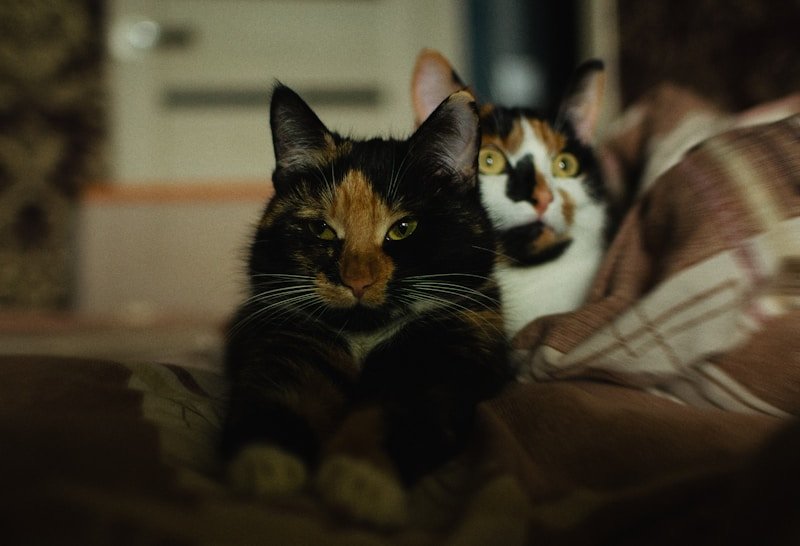
Cats have always held a special place in human hearts, whether as ancient Egyptian deities or beloved house pets. Their independent nature, playful personalities, and soothing purrs have made them enduring companions in homes across the globe. But beyond the obvious appeal of their cute faces and fluffy tails, cats offer much more to their human friends than just companionship. From providing comfort to creating a sense of routine, cats are truly remarkable creatures that bring joy to our lives in countless ways.
The Evolution of Cats as Pets
Cats were not always the cuddly companions we know today. In fact, domesticated cats evolved from wild ancestors who lived around 10,000 years ago. The African wildcat, Felis silvestris lybica, is the primary ancestor of modern domestic cats. Initially, they were not domesticated for companionship, but rather, they were valued for their ability to control vermin populations. As humans began to settle into agricultural communities, they noticed that cats were excellent hunters, and thus, the first bond between human and cat was formed.
Over time, these wildcats adapted to living in close proximity to humans, developing traits that made them more social and tolerant of human interaction. Unlike dogs, who were actively bred for specific roles, cats essentially domesticated themselves, forging a unique relationship with humans based on mutual benefit.
The Healing Power of a Cat’s Presence
There’s something about the presence of a cat that seems to soothe the soul. Whether curled up on your lap while you relax on the couch or simply sitting next to you while you read a book, cats seem to possess an innate ability to calm their human companions. Studies have shown that spending time with cats can lower stress levels and promote feelings of happiness. One of the reasons behind this is their purrings, which is believed to have a therapeutic effect on both humans and other animals.
Purring is not just a sign of contentment; it is also thought to have a frequency (around 25 to 150 Hz) that can promote healing and reduce stress. Many people report feeling a sense of calm when a cat purrs in their presence, which is why cats are often sought after in therapeutic environments like hospitals and nursing homes.
Additionally, the routine of caring for a cat can help provide structure to one’s day. Feeding them, cleaning their litter box, and playing with them can create a sense of purpose, which is particularly beneficial for people struggling with mental health issues, including depression and anxiety.
The Unique Communication of Cats
Unlike dogs, cats are not as overt in their communication. They don’t bark or wag their tails in the same way dogs do. Instead, cats rely on subtle signals and body language to convey their needs and emotions. One of the most iconic aspects of cat communication is their purring, which usually indicates contentment but can also be a way for cats to calm themselves during stressful situations.
Cats also use their tails and ears to express their feelings. A cat with a raised tail is typically happy and confident, while a tucked-in tail can indicate fear or anxiety. Ears flattened against the head might mean the cat is feeling threatened or annoyed. Even their eyes are an important form of communication—slowly blinking at you can be a sign of trust and affection, while dilated pupils may indicate excitement or fear.
Unlike some pets, cats are more selective in their interactions. While dogs may greet any person with enthusiasm, cats will choose when and with whom they want to engage. This selectivity often deepens the bond between cats and their human companions. When a cat chooses to curl up next to you, it’s a special gesture of trust and affection.
The Unbreakable Bond Between Cats and Humans
While cats may be more independent than other pets, their bond with humans is deep and meaningful. Many cat owners can attest to the strong emotional connection they share with their pets. This bond is not just based on mutual benefit or routine but is built on a genuine sense of companionship and understanding.
Cats are known for being observant creatures. They can sense when their owners are feeling down or anxious and may offer comfort without being prompted. Some cats will sit quietly next to a person who is upset, providing silent support, while others may nudge their owner for attention or even climb into their lap. This ability to read and respond to human emotions is one of the reasons cats are often considered excellent emotional support animals.
Unlike some pets, who are constantly seeking attention, cats respect their owner’s need for personal space while also providing companionship on their terms. This balance between independence and affection makes them the perfect pet for people who appreciate a more low-maintenance companion.
In return, humans shower their cats with love, creating an unbreakable emotional bond. This mutual respect and trust is at the core of what makes the relationship between cats and humans so special. It’s a relationship built on understanding, patience, and, of course, a shared love for feline friends.
Conclusion
Cats are much more than just adorable creatures; they are unique companions that provide emotional support, offer comfort, and bring joy into our lives in ways we may not fully appreciate at first. From their history as wild hunters to their role as affectionate pets, cats have proven that they can adapt and thrive in the human world. Whether they are providing a calming presence, offering silent companionship, or simply making us laugh with their quirky antics, cats will continue to be beloved friends to humans for generations to come.