
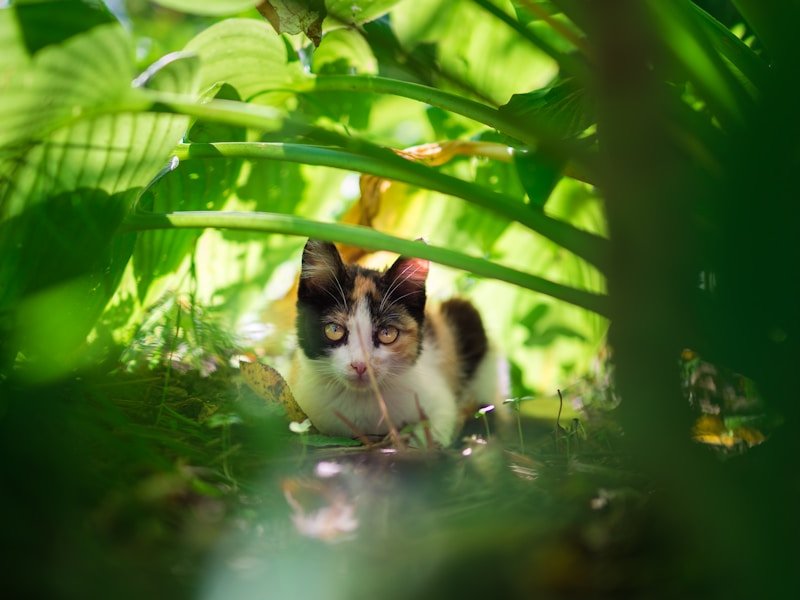
Cats, renowned for their ability to sleep anywhere and anytime, have mastered the art of napping. Whether they’re curled up on a sun-drenched windowsill or sprawled lazily on your favorite chair, cats seem to have an endless supply of nap energy. As mysterious as their sleep patterns may be, the reasons behind these long periods of slumber are as complex and intriguing as the cats themselves. In this article, we explore the science behind cat naps, how they sleep, where they sleep, and the peculiarities of their sleeping behavior.
The Science of Cat Sleep
Cats sleep an average of 12–16 hours a day, with some breeds (like the Persian or Bengal) even sleeping more. But why do they sleep so much? The answer lies in their evolutionary history and biology.
Wild cats, such as lions and tigers, are predators that need to conserve energy for hunting. They rely on bursts of energy to chase down prey, and this requires long periods of rest between these energetic efforts. While domestic cats are no longer hunting for survival, their instinctual need to conserve energy remains. Sleeping during the day helps them stay alert for any potential threats, and it also allows them to recharge for any late-night play sessions (which are a hallmark of most cats).
Additionally, cats have a unique sleep cycle. Unlike humans, who experience one long sleep period, cats tend to have multiple short naps throughout the day, broken up by periods of wakefulness. Their sleep can be broken down into two stages: non-rapid eye movement (NREM) and rapid eye movement (REM). The latter is the stage during which cats dream. During REM sleep, you may even notice your cat’s paws twitching or their eyes moving beneath their eyelids, indicating that they are processing memories or experiencing vivid dreams.
Where Cats Nap: Favorite Spots and Cozy Corners
One of the most endearing things about cats is their ability to fall asleep anywhere. From high shelves to tight corners, cats seem to find the coziest places to rest, often choosing spots that are both comfortable and secure.
One of the most common places for a cat to nap is on top of a perch, such as a high shelf or a window sill. This behavior is inherited from their wild ancestors, who would seek high vantage points to keep an eye on their surroundings. Cats instinctively feel safer when they can observe their environment from a height, and it allows them to feel more secure while sleeping.
Cats are also known to love sunny spots. If you’ve ever seen your cat stretched out in a beam of sunlight, you’ve witnessed one of their most beloved sleep rituals. Cats are crepusculars animals, meaning they are most active during dawn and dusk. This makes them natural seekers of warmth, and sunlight provides a perfect, soothing spot for a nap. If there is no direct sunlight, cats will often choose warm places, like your laptop or a freshly laundered pile of clothes.
Of course, some cats prefer napping right next to their humans. If you’ve ever found your cat curled up beside you while you’re watching TV or working, you’ve experienced a cat’s desire for companionship during rest. Cats often see their human companions as part of their “safe zone” and will gravitate toward them for both comfort and warmth.
The Quirks of Cat Napping: Why Cats Sleep So Deeply
While cats are often light sleepers, their napping style is nothing short of quirky. A cat may fall into a deep, almost immovable sleep, only to jump up and be alert at the slightest sound or motion. This paradoxical behavior is due to the cat’s acute sensory abilities. Even while resting, a cat’s brain remains partially active, allowing it to detect danger or any changes in its environment.
Cats are also known to engage in “cat naps,” which are short, highly intense bursts of sleep. A cat can enter a deep sleep stage within just a few minutes of settling down. These naps can last anywhere from 10 minutes to an hour, depending on the cat’s age, breed, and level of activity. These quick naps allow cats to stay agile, ready to jump up at a moment’s notice if needed.
Another interesting quirk is the way cats stretch before or after a nap. Cats will often perform a “cat stretch,” extending their bodies fully, with their front legs stretched out and their back arched. This behavior is not only a way to relieve muscle tension but also an instinctual stretch that prepares them for action when they wake.
How Cats’ Sleep Habits Reflect Their Personality
The way a cat sleeps can tell you a lot about its personality. A cat’s sleeping posture often reflects its level of trust and comfort with its environment.
-
Curled-up position: If a cat is sleeping curled up tightly in a ball, it usually indicates that the cat feels secure and safe. This position minimizes exposure and allows the cat to conserve body heat.
-
Stretched-out position: A cat that sleeps stretched out with its belly exposed is demonstrating trust. The belly is one of the most vulnerable parts of a cat’s body, and showing it while sleeping is a sign of confidence in its surroundings.
-
Sleeping on its back: Cats that sleep on their back with all four paws in the air are often more relaxed and comfortable in their environment. This position is also indicative of a deep, restful sleep.
In contrast, cats that sleep in more alert positions—such as with one paw tucked beneath their body or with their eyes partially open—might be more anxious or cautious, even if they seem relaxed.
Whether your cat is napping peacefully or twitching in its sleep, it’s clear that sleep plays a crucial role in your cat’s daily routine and overall well-being. Understanding their sleep habits not only gives you insight into their behavior but also helps create a more comfortable and enriching environment for them to thrive. So, the next time your cat curls up for a nap, remember—it’s not just resting. It’s indulging in an ancient, deeply ingrained behavior that helps it stay sharp, secure, and oh-so-content.